
You're Allowed to Be Good
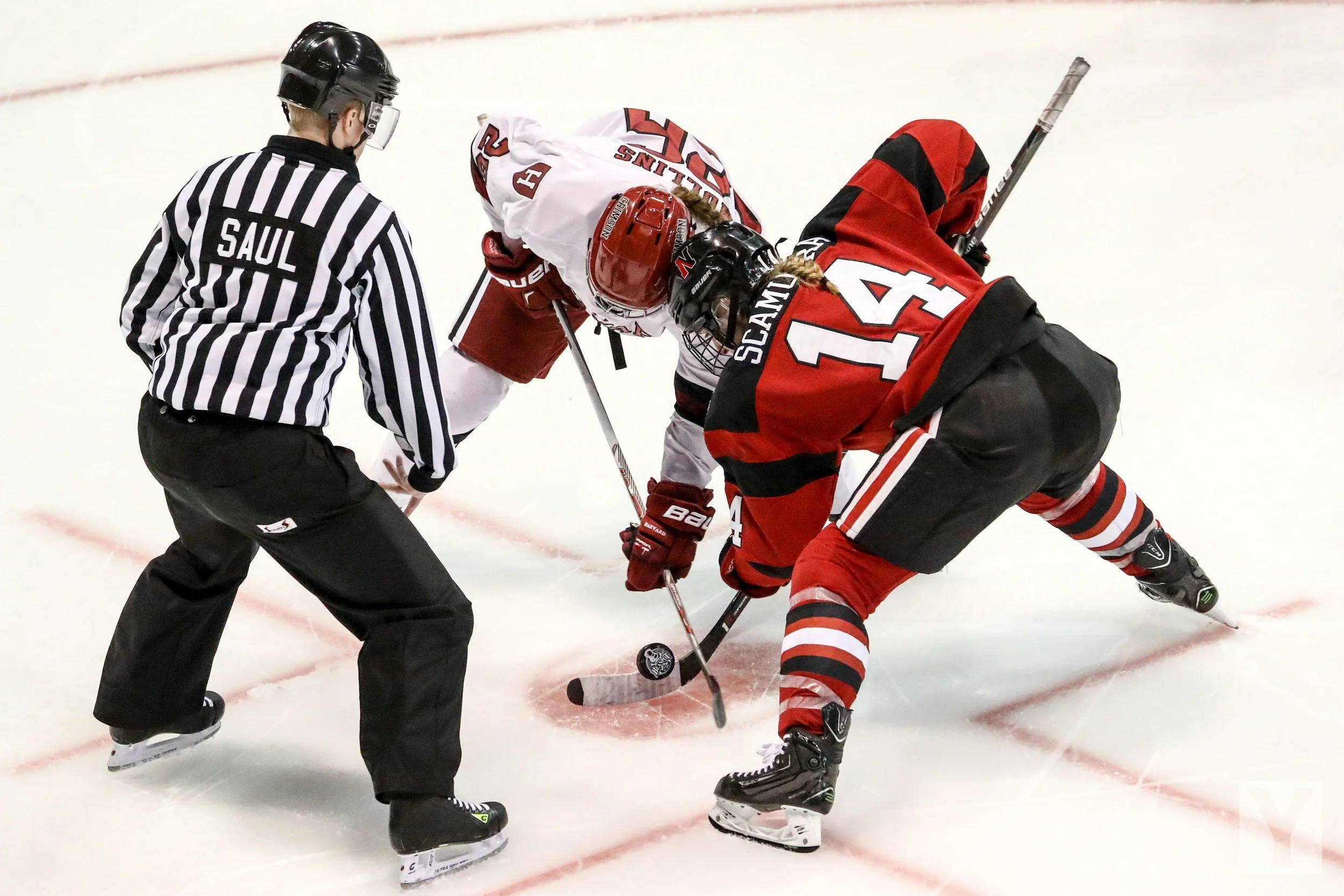
Why deflecting compliments isn't humility — and what it's actually costing you
I learned the rules early.
You could be good at something. You could work hard, outperform your peers, earn real recognition, but the moment you acknowledged it out loud, you were done. Suddenly you were "full of yourself." You were bragging. And the social cost of that was high enough that most of us learned to get ahead of it.
Deny it first. Shrink before anyone can make you shrink.
I remember having this strange double experience as a young athlete, this real, genuine pride in what I was building, and this equally real terror of letting anyone see it. I wanted to be noticed. I wanted my work to be recognized. But I had watched what happened to girls who let themselves be proud, who didn't immediately deflect a compliment or attribute a win to luck. They got gossiped about. They got cut down. And so I got very good at making myself smaller, even when everything inside me wanted to stand up straight.
Here's what I didn't understand then: that wasn't humility. That was survival. And those are not the same thing.
What's actually happening when you deflect
There's a pattern I see constantly in the athletes I work with. A coach pulls them aside and tells them their skating has transformed this season. A teammate points out how clutch they've been in pressure situations. A parent says they're proud of the work they've put in.
And the athlete immediately says: "Oh, I still have so much to improve." Or: "I just got lucky." Or simply looks at the floor and changes the subject.
From the outside, it looks like modesty. It reads as likable, safe, appropriately humble.
But watch what happens over time to the athlete who does this consistently. She starts to believe it. The external narrative she's been performing, I'm not that good, it was luck, don't look at me, starts to become her internal one. She stops trusting the feedback she's getting. She starts attributing her results to anything other than herself. And eventually, she pulls back. Stops pushing. Stops risking. Because if you're not willing to own your wins, you start to unconsciously avoid having any.
The deflection that started as a social strategy becomes a ceiling.
Where it comes from
This isn't a personal failing. It's a cultural one.
Girls learn young that confidence in other girls can feel threatening; especially to girls who are already struggling with their own. Pride gets labeled as arrogance. Wanting to be seen gets labeled as attention-seeking. There's even language for it now: being a "pick me," standing out in a way that's considered socially inappropriate.
What that creates is a culture where the safest move is to perform smallness. You're allowed to be noticed, but only if you didn't try to be. You're allowed to be good, but only if you immediately apologize for it.
The cruelest part? The girls enforcing those rules are usually doing it from their own insecurity. Cutting someone down for being proud of themselves is almost always a reflection of how badly they want permission to be proud of themselves too.
What owning your work actually looks like
I'm not asking you to post a highlight reel or announce your stats at dinner. This isn't about performance or bravado.
What I'm asking is simpler and harder than that: when you receive accurate, earned feedback let it land.
When your coach tells you your edge work is elite, try this instead of deflecting: "Thank you. I've worked really hard on that." That's it. No qualifier. No redirect. Just receiving what's true.
When you compete well, let yourself feel it. Not for thirty seconds before you start cataloguing everything that still needs work actually feel it. The accomplishment is real. You're allowed to have it.
Over time, this practice does something your mental game can't get any other way: it builds a belief system that isn't dependent on what anyone else thinks. When you can say "I am good at this, and I know it because I put in the work" that's a foundation. That kind of self-knowledge doesn't disappear when someone criticizes you or when you have a bad game. It holds.
The fire on the other side
I want you to read this and feel something.
Not just acknowledged challenged. Because you have probably worked harder than you've ever given yourself credit for. You have probably earned feedback you deflected, minimized accomplishments you should have claimed, and stayed smaller than the work you've put in actually calls for.
Being proud of that work isn't bragging. It's not arrogance. It's not going to make the girls around you like you less and if it does, that's information about them, not about you.
There is a version of you on the other side of learning to own your wins that is more confident, more resilient, and more capable than the version of you that has spent years making herself easier to be around.
You did the work. Let yourself have it.